

Our services
A Homeowner’s Guide to Whole-Home Remodeling
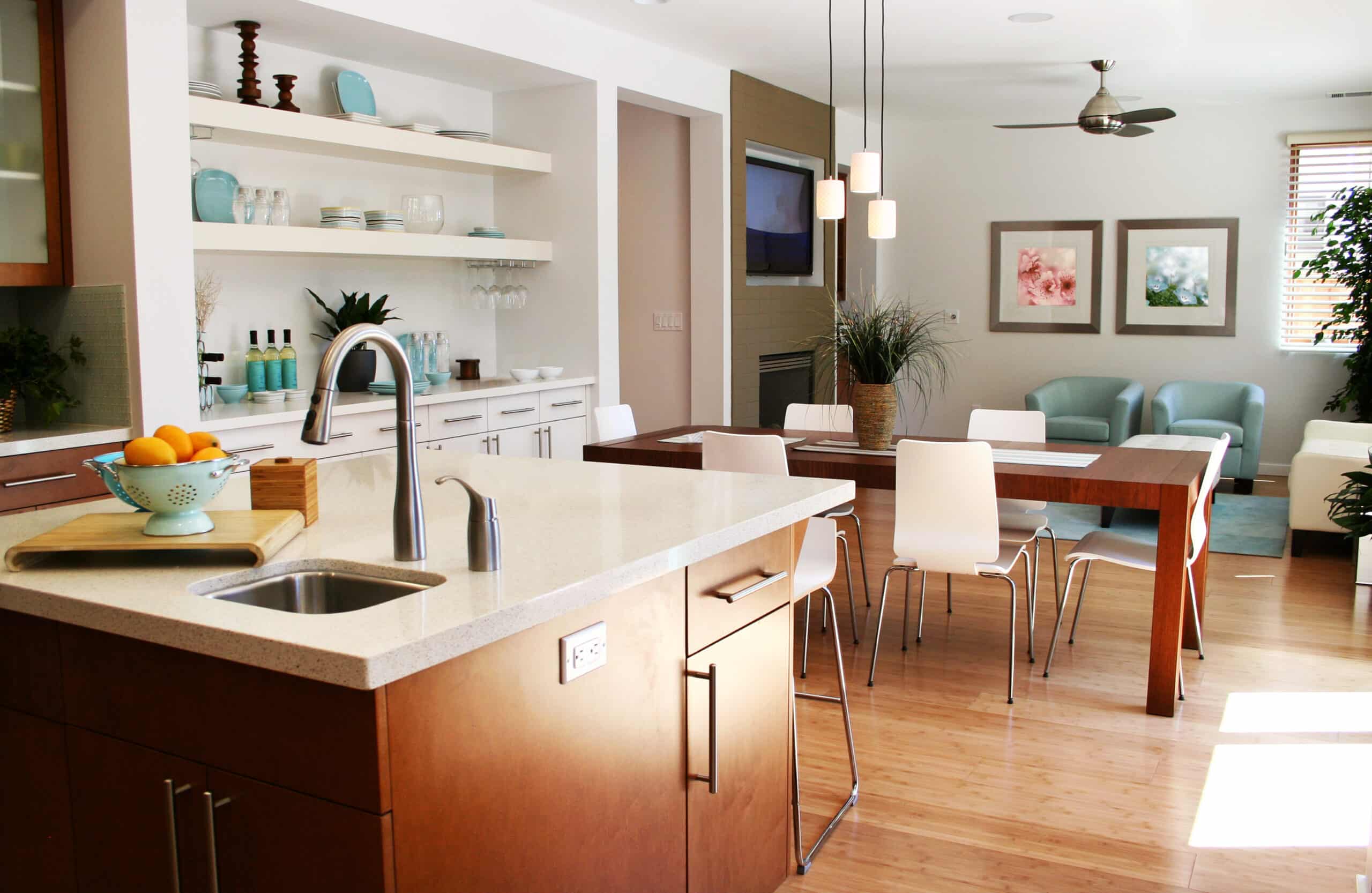
When you decide that you want to remodel your entire home, it’s important to have a clear plan set out from day one. This whole-home remodel checklist will clarify the various moving parts of your project. These include things like budgets, contractors, permits, and timelines. Without a proper checklist, you can end up dealing with costly changes or a delay risk.
Because you’ll have multiple rooms being renovated at the same time, you benefit from having a single reference document that outlines goals, priorities, and responsibilities. A checklist also makes it easier to communicate expectations with contractors and designers. This will allow you to stay organized and confident about your project.
Define Your Goals, Scope, and Must-Haves
Before you can even begin to set a budget or get a contractor on the job, you need to figure out what is driving your remodeling project. Separating must-haves from nice-to-haves and deciding which areas of your home are included will help you to set clear expectations and prevent costly changes later.
Build a Budget That Accounts for Reality
After you determine what is driving your whole-home remodel in Naperville, one of the first things you need to do is set a budget. All the rest of your home remodeling planning will be dependent on your unique budget. Your whole-home remodel checklist should include estimated costs for categories like labor, material, permitting, design, and temporary housing.
It’s important to always include contingency funds to help handle any surprises that pop up along the way. You never know when you may need to replace piping in a wall that’s leaking or another hidden problem in your home. By having funds already set aside, making those necessary repairs is an easy choice. These extra funds also go a long way in giving you peace of mind throughout the entire project.
The amount that you need to set aside really depends on the age of your home. If you have a home that was built within the last 20 to 30 years, typically 10% of your budget is fine. If your home is between 30 and 60 years old, aim for 15% of your budget. If your home is over 60 years old, set aside 20% of your entire budget for contingency.
It’s crucial to remember that contractors can’t always see exactly what’s inside your walls. They may run into water damage or unsafe materials that need to be upgraded. A big part of your budgeting for your whole-house renovation checklist should include your payment schedule plans. Also include your financing options so that you have a clear idea of where the funds are coming from.
Create a Timeline and Prepare for Living Disruptions
The next part of home remodeling planning deals with your timeline and handling living disruptions. It’s vital to set realistic expectations for every phase of the project. They need to be put in an appropriate sequence so that everything that needs to be done to complete the next step is ready. With kitchens and bathrooms being the most important rooms in your home, you need to schedule downtime for those areas.
Decide how you’re going to change your daily routine when renovations are going on in those places. When doing a whole-home remodel in Naperville, it can be helpful to plan for temporary housing. This could be with family, a rental, or even in a hotel. This will ensure your contractor has adequate space to get the job done without having to work around all your items.
Hire the Right Professionals and Get the Right Permits
One of the most important decisions about your whole-home remodel in Naperville is choosing a contractor. This contractor will connect you with an architect and a designer to ensure a great finished result. Take your time to verify their licensing, insurance, and check their references. Any knowledgeable home remodeling planning professional should be able to provide you with the necessary permits and inspections.
They should also be able to give you a clear idea of what’s expected throughout the project so that you can plan accordingly. Proper permitting ensures that work meets local building codes and protects your investment. Working with experienced professionals reduces the risk of errors and rework. Contractors who understand local regulations help keep projects moving forward without unnecessary delays.
Prioritize Structural, Electrical, Plumbing, and HVAC Updates First
A crucial component of your whole-house renovation checklist needs to be prioritizing the basic upgrades. These are things that need to happen before finishing touches can be completed. Any upgrades to your home’s electrical, plumbing, or HVAC system take priority. This is because most of these components are hidden behind your walls.
They need to be upgraded prior to drywalling and all the finishing touches that make your home look great. When you get a whole-home remodel in Naperville, it’s the perfect time to upgrade these various systems throughout your home.
This is because they’re already exposed instead of hidden in the wall, making them much quicker to upgrade. Consider panel upgrades, whole-home rewiring, plumbing replacements, ductwork upgrades, and even new insulation. Don’t forget to take into account your future needs, like smart home features, additional electrical circuits, and even an EV charging station. Planning ahead prevents the need for future redesign.
Finalize Design Choices and Order Materials Early
As you work with your chosen remodeling contractor, material selection is key. Your whole-home remodel checklist should include selections for finishes, fixtures, appliances, and cabinetry. By selecting all of these items ahead of time, you can see the final design.
This also gives your contractor adequate time to order the materials ahead of time to avoid any potential delays. Your whole-home remodel checklist isn’t just intended to assist during the time of your remodeling project. Instead, opt for keeping samples, warranties, and product lists so that you can always refer back to them anytime in the future. This can allow you to match materials as necessary and simplify future repairs.
Set Up Communication, Documentation, and Quality Checks
Keeping records throughout the entire process helps to hold everyone accountable and ensures a great finished product. Opt for scheduling weekly check-ins with your chosen contractor so that you can see the progress that’s getting done.
Creating a punch list and doing walkthroughs alongside final approvals will ensure that everything is done to the specifications that you set out. Any great whole-home remodel checklist will have extensive documentation regarding the process. This helps to protect you and the contractor throughout the entire remodeling project.
Remodel With Confidence Using a Checklist That Keeps You on Track
When it comes to interior home remodeling, planning is everything. When you’re doing your entire home, including your bedrooms, bathroom, kitchen, and so forth, it’s easy to get lost in the process. Sitting down to create a whole-home remodel checklist will ensure that you stay on track throughout the entire process. This checklist shows you your priorities so that you can ensure every aspect of your project is planned for and properly addressed.
Your checklist includes documentation that you can easily refer back to throughout the remodeling process. This is great for preventing costly mistakes that could lead to unwanted time delays. When it comes to home remodeling, it’s always best to consult a professional. Professionals are familiar with the planning process and can help you avoid unsightly delays and redesigns.
Schedule a whole-home remodel consultation by contacting The Kitchen Master now!
Categories : Home Design & Remodeling Tips
free guide to Popular Kitchen Layouts

Get closer to the kitchen of
your dreams!
Welcome to the New Kitchen Master Website
We’re glad you found us and we hope you have a rewarding experience and benefit from the time you spend learning about our company and the services we offer. We designed our site to be simple to use and provide you with helpful information about kitchens and baths and other… Read more
View latest blog posts
Award-Winning Designs & Service





X
CLIENT LOGIN