

Our services
Timeless Kitchen Cabinet Colors: How to Choose a Finish That Lasts
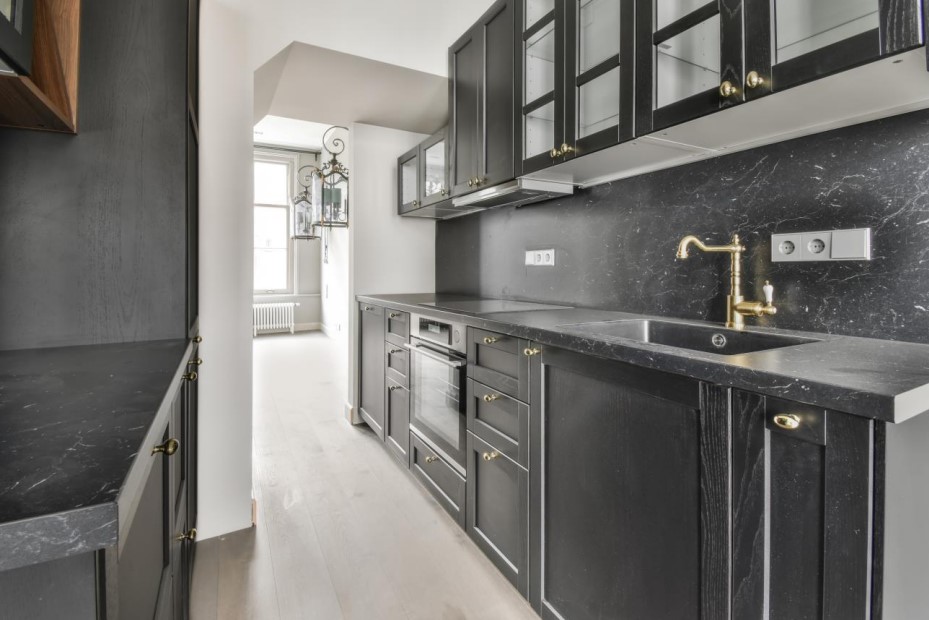
Kitchen cabinetry is one of the largest visual and financial investments in a kitchen remodel. Because cabinets typically remain in place much longer than paint colors, light fixtures, hardware, or furnishings, choosing the right finish deserves more consideration than simply selecting what is popular today.
The most successful kitchens balance personal style with longevity. A cabinet color does not have to be completely neutral to have staying power, but the more dominant the color is within the room, the more important it becomes to consider how it will relate to the home’s architecture, flooring, countertops, lighting, and surrounding spaces over time.
At The Kitchen Master, we encourage homeowners to think beyond today’s trends and consider how their cabinetry will look and function years from now.
What Makes a Kitchen Cabinet Color Timeless?
Timeless does not necessarily mean traditional, neutral, or boring. A timeless cabinet finish is one that works naturally with the architecture of the home and provides enough flexibility for other elements of the kitchen to evolve around it.
Warm whites, soft neutrals, and natural wood finishes have some of the greatest staying power because they work with a wide range of countertop, backsplash, flooring, hardware, and paint selections.
Darker finishes and more distinctive colors can also age beautifully when they are used intentionally. The key is understanding where to make a statement and where to create a quieter foundation.
White and Warm White Kitchen Cabinets
White kitchen cabinetry has remained popular for decades because of its versatility. It can work in traditional, transitional, and contemporary kitchens while providing a clean backdrop for changing materials and finishes.
However, not every white is the same.
Bright, cool whites can create a crisp appearance, while warmer whites, creams, and soft off-whites tend to provide a more inviting look and often coordinate more naturally with wood flooring, stone surfaces, and the warmer finishes found throughout many Chicagoland homes.
The undertone of the cabinet finish should be considered alongside countertops, backsplash materials, flooring, and both natural and artificial lighting before a final selection is made.
Natural Wood Kitchen Cabinets
Natural wood cabinetry is one of the most enduring kitchen choices because wood adds warmth, depth, and character that painted finishes cannot completely replicate.
White oak, walnut, and other thoughtfully selected wood species can work in both contemporary and traditional settings depending on the door style, grain, stain, and surrounding materials.
The current return to natural wood cabinetry is not simply about following a trend. Wood has been used in kitchens for generations. What changes over time is how it is finished and incorporated into the design.
Lighter stains, natural finishes, and restrained door profiles can create a cleaner appearance, while richer stains can add depth and formality.
Wood also works particularly well when combined with painted cabinetry, allowing homeowners to introduce warmth without using the same finish throughout the entire kitchen.
Warm Neutrals: Greige, Mushroom, Taupe, and Putty
Neutral cabinetry has expanded well beyond traditional white and gray.
Warm colors such as mushroom, taupe, putty, and softer greige finishes provide depth while remaining versatile. These shades can bridge warm wood tones, natural stone, flooring, and metal finishes particularly well.
While gray cabinetry was extremely popular for many years, homeowners should be cautious about choosing a cool gray simply because it is familiar. Warmer neutrals generally provide greater flexibility and can feel more connected to natural materials.
Rather than choosing a color based on its name, we recommend evaluating its undertone and how it interacts with every major finish in the room.
Black and Charcoal Kitchen Cabinets
Black and deep charcoal cabinetry can create a sophisticated and dramatic kitchen when used in the right setting.
In larger kitchens with sufficient natural and artificial lighting, darker cabinetry can provide architectural weight and contrast. It can also be effective on an island, beverage center, lower cabinetry, or another focal area rather than throughout the entire room.
The amount of dark cabinetry matters. A color that looks striking on an island may feel considerably heavier when applied to every cabinet in a kitchen.
For that reason, proportion, room size, ceiling height, lighting, and adjacent finishes should all be considered before committing to a darker palette.
Green, Navy, and Other Accent Cabinet Colors
Green, navy, slate blue, and other muted colors can add personality and character to a kitchen, but we would distinguish these from truly neutral cabinet finishes.
Color trends evolve. That does not mean homeowners should avoid color—it means color should be used thoughtfully.
Muted olive, sage, deep green, and navy can work particularly well on islands, lower cabinetry, beverage centers, or other selected areas where they create a focal point without dominating the entire kitchen.
Homeowners who strongly identify with a particular color may be perfectly comfortable using it more extensively. The important distinction is choosing it because it suits the homeowner and the architecture—not simply because it is currently popular.
Are Two-Tone Kitchen Cabinets Timeless?
Two-tone cabinetry can be an excellent way to introduce contrast while maintaining long-term flexibility.
A painted perimeter with a natural wood island remains one of the most versatile approaches. A darker island paired with lighter perimeter cabinetry can also create visual weight and establish a focal point.
Combining finishes works best when there is a clear design reason behind the selection. Cabinet colors should relate to the flooring, countertops, backsplash, architectural details, and adjoining rooms rather than appearing as independent choices.
In many kitchens, darker cabinetry on the lower portion of the room can visually ground the space while lighter upper cabinetry maintains an open feeling.
Timeless Doesn’t Mean Boring
A kitchen designed for longevity does not have to lack personality.
The key is deciding where to take design risks.
Cabinetry, flooring, and major architectural elements are typically among the most expensive and disruptive features to replace. These are often good places to exercise greater restraint.
Other elements can provide opportunities for stronger personality and can generally be changed more easily over time. Lighting, hardware, decorative tile, paint colors, furnishings, stools, and accessories can all transform the character of a kitchen without requiring another major remodel.
A successful design creates a strong architectural foundation while still leaving room for the homeowner’s personality.
Should You Reface or Replace Your Kitchen Cabinets?
Changing the appearance of existing cabinetry does not always require a complete kitchen remodel.
Cabinet refacing can be an effective option when the existing cabinet boxes are structurally sound and the homeowner is satisfied with the current layout, storage, appliance locations, and overall functionality of the kitchen. New doors, drawer fronts, and exterior finishes can substantially change the appearance while retaining much of the existing cabinetry.
Full cabinet replacement becomes the better option when the existing kitchen no longer functions well.
Changing appliance locations, increasing storage, improving workflow, eliminating soffits, changing cabinet heights, modifying walls, incorporating new architectural features, or substantially altering the layout generally requires new cabinetry.
The decision should therefore be based on more than cost. The first question should be whether the existing kitchen works well enough to justify keeping its basic structure.
The Kitchen Master offers both cabinet refacing and complete kitchen remodeling, allowing our designers to help homeowners determine which approach makes the most sense for their home and project goals.
A Designer’s Perspective: Look at the Entire Room
One of the most common mistakes in selecting cabinetry is choosing a cabinet color in isolation.
A small door sample can look very different once that finish covers an entire wall of cabinetry. Natural light, ceiling height, flooring, countertop movement, backsplash material, wall color, adjacent rooms, and even the direction the kitchen faces can influence how a cabinet color appears.
That is why we prefer to evaluate cabinetry as part of the entire design.
The goal is not simply to find a beautiful cabinet color. It is to create a kitchen in which the cabinetry, countertops, flooring, lighting, hardware, and architectural elements all support one another.
Helpful Cabinet and Kitchen Remodeling Resources for Homeowners
Explore these resources as you begin planning your cabinet project:
- Cabinet refacing services
- Kitchen remodeling services
- The Kitchen Master design and remodeling process
- Kitchen remodeling project gallery
Categories : Kitchen Design & Remodeling
free guide to Popular Kitchen Layouts

Get closer to the kitchen of
your dreams!
7 Custom Kitchen Designs for Renovation Inspiration
At The Kitchen Master, we’ve helped hundreds of clients create custom kitchens to make their homes more attractive, functional and inviting. Consider some of the following ideas as you plan your renovation to create the kitchen you’ve always imagined. 1. Practical and stylish cabinetry can enhance any kitchen. Kitchens with… Read more
View latest blog posts
Award-Winning Designs & Service





X
CLIENT LOGIN