

Our services
Kitchen Design Mistakes to Avoid During a Remodel
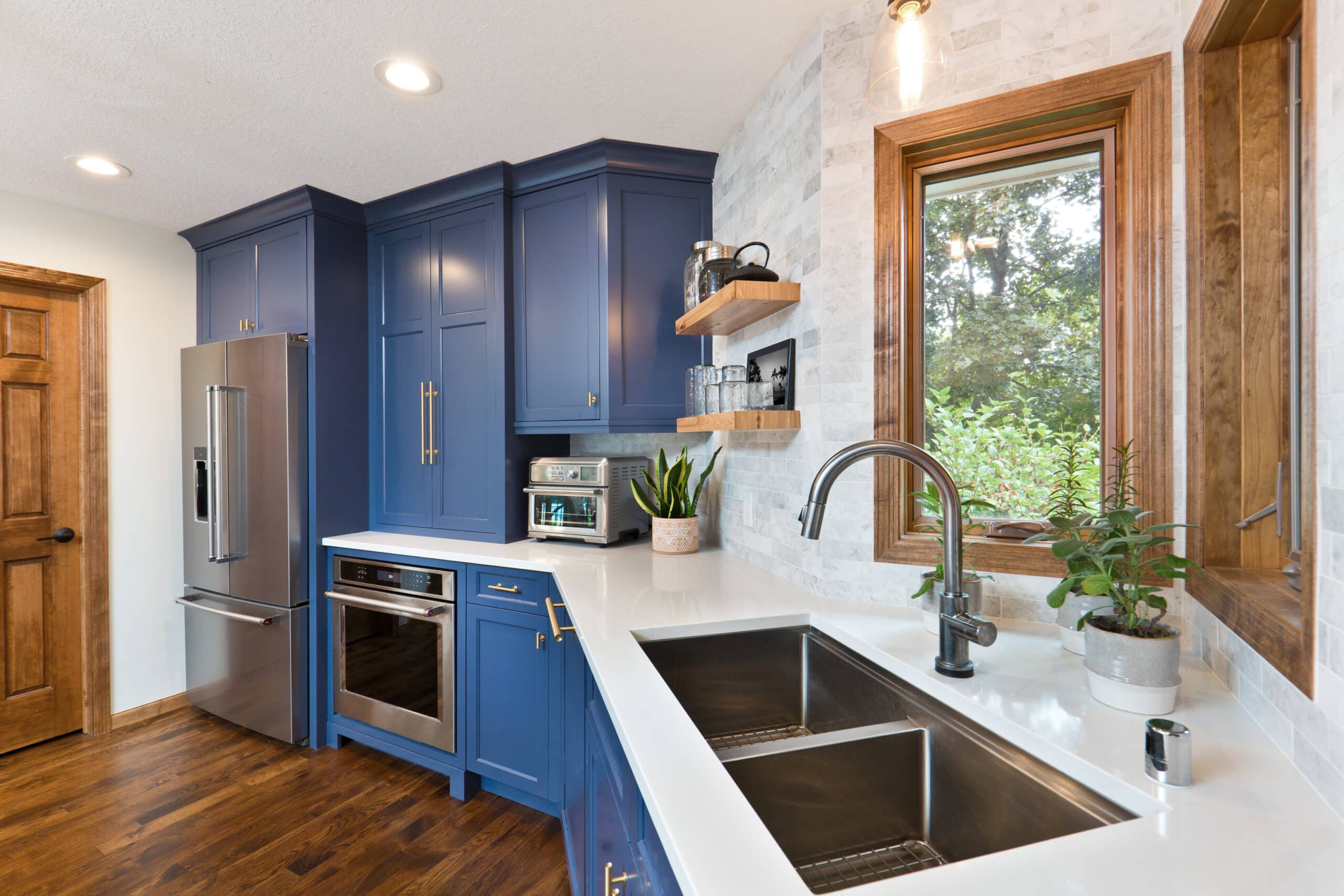
A kitchen remodel nicely blends layout, storage, lighting, appliances, and finishes into one major investment. Small design mistakes often don’t reveal themselves on paper. They show up later when drawers collide, prep space feels tight, or lighting falls short. Through The Master Plan™, The Kitchen Master guides homeowners through a structured design and remodeling process that prioritizes planning and collaboration before construction begins. This prevents costly kitchen layout mistakes and regrets after installation.
Why Small Design Mistakes Can Ruin a Big Kitchen Investment
Redoing a kitchen involves a lot of moving parts, from the walls and pipes to the final look of the cabinets. Because everything is connected, even a tiny mistake during the planning phase can cost a lot of money to fix once the work starts. The Master Plan™ prevents these headaches.
Ignoring Workflow and the Kitchen Work Triangle
The kitchen work triangle connects the sink, stove, and refrigerator. If those points sit too far apart, cooking becomes inefficient. If they sit too close together, the space feels cramped. Traffic flow matters just as much, especially in open floor plans where walkways cut through prep zones. Through The Master Plan™, we map movement patterns early so that layouts support how your household actually functions.
Not Planning Enough Storage
Storage problems often top the list of kitchen remodel mistakes homeowners regret. You may add new cabinetry, yet still run out of space because the design did not account for your real needs. Too few drawers force you to stack cookware in deep cabinets. Limited pantry space pushes food onto countertops.
Open shelving looks appealing in photos, yet it rarely replaces closed storage. Dishes gather dust, and clutter becomes visible. Tall cabinets, pull-out pantry systems, and smart corner solutions improve function without expanding the footprint. Planning storage around your actual cookware and small appliances prevents frustration once the project is complete. Our structured planning process evaluates real storage needs before cabinetry is finalized, ensuring the design reflects how you live, cook, and organize.
Choosing Style Over Function
It’s easy to focus on finishes and overlook how the kitchen will perform. Cabinets with detailed trim may look elegant, but they complicate cleaning. Certain surfaces may show fingerprints or wear faster than expected. These are common kitchen design errors that feel minor during selection but become noticeable with daily use.
Appliance choice also deserves careful thought. A professional-style range looks impressive, yet if you rarely cook elaborate meals, it may not align with your habits. Oversized appliances can shrink usable counter space. Style should complement function, and strong kitchen remodel tips often emphasize evaluating how you live before committing to a specific look. Collaboration during the design phase allows us to balance aesthetics with performance, which prevents style choices from undermining everyday usability.
Poor Lighting Design
Relying on one overhead fixture creates shadows on prep surfaces. A layered lighting plan combines ambient, task, and accent sources to improve visibility and bring out design features. Integrating lighting early in the process makes certain that the kitchen performs well and looks nice.
Skipping Electrical and Outlet Planning
Modern kitchens require careful electrical planning. Too few outlets create clutter and extension cords, and poor placement makes islands and appliances awkward to use. During The Master Plan™ phase, electrical layouts are coordinated with cabinetry and appliances to prevent costly changes later.
Underestimating Counter Space and Clearance
Limited prep space near your essential appliances makes cooking feel cramped, and tight clearances around islands restrict movement. Cabinet doors and dishwashers that collide are common layout errors. Our Master Plan™ helps identify spacing conflicts before installation begins.
Forgetting Ventilation and HVAC Needs
Ventilation shapes comfort more than many homeowners realize. An undersized or missing range hood allows smoke and odors to linger. Poor airflow can trap heat and affect indoor air quality during heavy cooking.
Layout changes can shift how air circulates. Removing walls or relocating appliances may require HVAC adjustments. Ventilation planning should match your cooking habits so the space remains comfortable throughout the year. By addressing ventilation and airflow during the design stage, we prevent comfort issues that often appear after construction is complete.
Locking in Design Choices Too Late
Late decisions often trigger delays and added costs. Changing finishes or layouts after construction begins can disrupt timelines and require rework. Finalizing selections early keeps the project organized. A clear kitchen renovation guide helps structure decisions and reduce last-minute stress. The Master Plan™ is designed to finalize selections before demolition begins.
Avoid Costly Mistakes With Smart Kitchen Planning
Most frustration stems from overlooked details rather than dramatic design flaws. Small kitchen design mistakes can create daily inconvenience long after the remodel is complete. Paying attention to layout, storage, lighting, ventilation, and electrical planning reduces regret later. At The Kitchen Master, our Master Plan™ is designed to create kitchen renovation planning that works and avoids common pitfalls before construction begins. Contact our team to start planning your renovation with confidence.
Categories : Kitchen Design & Remodeling
free guide to Popular Kitchen Layouts
Get closer to the kitchen of
your dreams!
7 Custom Kitchen Designs for Renovation Inspiration
At The Kitchen Master, we’ve helped hundreds of clients create custom kitchens to make their homes more attractive, functional and inviting. Consider some of the following ideas as you plan your renovation to create the kitchen you’ve always imagined. 1. Practical and stylish cabinetry can enhance any kitchen. Kitchens with… Read more
View latest blog posts
Award-Winning Designs & Service





X
CLIENT LOGIN